
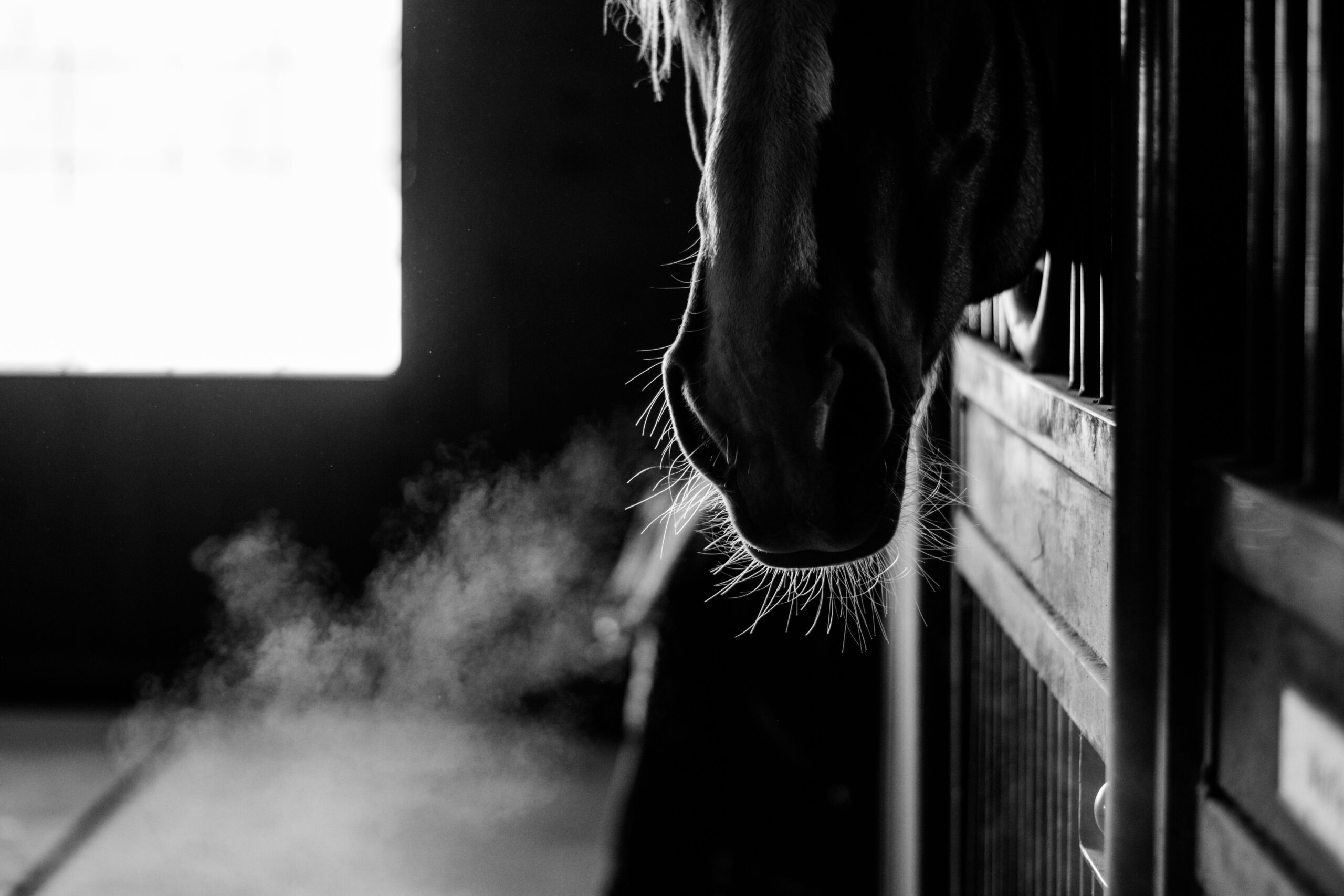
Every year as the leaves begin to change, I feel myself start to dread the impending cold weather that inevitably follows. I thought that I was immune from winter by living in the South, but as the years go on, it continues to get colder and colder here. The terms “Artic Blast” and “Polar Vortex” are becoming more common. While I love having my horses at home, the looming threat of frozen pipes, water troughs, and buckets is a constant worry during the winter months.
As the days shorten and temperatures plummet, it is not unusual for equestrians to experience a phenomenon known as Seasonal Affective Disorder (SAD). This seasonal slump can significantly impact our motivation, energy levels, and overall enjoyment of riding and horse care.
We explore the causes, symptoms, and most importantly, strategies to conquer this seasonal depression and maintain your passion for horses throughout the colder months.
Understanding the Winter Blues
The winter blues, also referred to as Seasonal Affective Disorder (SAD), is a type of depression that occurs during specific seasons, typically fall and winter. While the exact cause of SAD is unknown, it’s believed to be linked to reduced sunlight exposure and changes in brain chemistry, affecting serotonin and melatonin levels.
How Does SAD Affect Equestrians?
For equestrians, SAD can manifest in several ways:
Reduced Motivation: The lack of sunlight and colder weather can make it difficult to get out and ride, leading to a decline in overall enthusiasm. In addition, using the weather or the footing as an excuse to not go to the barn.
Decreased Energy Levels: Feeling sluggish can make it challenging to maintain a consistent training routine for both you and your horse.
Loss of Enjoyment: Depression can dampen the joy of riding and horse care, making it feel like a chore.
Social Withdrawal: We all know that feeling of not wanting to get off the couch so we can hibernate and binge something on Netflix.
Overeating: Continually craving carbohydrates is common in the winter, which can lead to weight gain.
Strategies to Stay Riding Strong
Don’t let the winter blues take the reins! Here are some effective strategies to combat SAD:
Regular Exercise: Engaging in physical activity, such as riding or going for walks, can boost your mood and energy levels. When outdoor activities aren’t an option, look into group exercise classes and yoga for alternative training.
Healthy Diet: Eating a balanced diet rich in fruits, vegetables, and whole grains can help support your overall well-being. Vitamin D deficiency is common during winter. Consult your doctor about taking vitamin D supplements to support overall health and help alleviate the symptoms of SAD.
Social Connection: Maintaining social connections both in person and online with friends, family, and fellow equestrians can provide emotional support and reduce feelings of isolation.
Natural Light Therapy: Try to get time outside in the natural sunlight. Your skin needs to be exposed to the sun. One way to easily do this is while you are in the car. Try to take off your jacket and roll up your sleeves so you arms can get the sunlight.
Artificial Light Therapy: Exposure to bright light, particularly in the morning, can help regulate your body’s internal clock and improve mood. Consider using a light therapy box. There are ones out there that you can set a timer to to help you wake up in the morning.
Mindfulness and Relaxation Techniques: Practicing mindfulness techniques, such as meditation or yoga, can help manage stress and improve mental clarity.
Professional Help: If you are experiencing severe symptoms of SAD, consider seeking professional help from a mental health professional. They can provide therapy, medication, or other treatments to help you manage your condition.
Personally, one of the most important things that I can do to help alleviate my decreased motivation and enjoyment while being outside is to keep bundled up in really warm winter clothes. I don’t tend to mind barn chores as much if my hands and feet aren’t freezing!
By understanding the winter blues and implementing some of these strategies, equestrians can maintain their passion for horses, even during the colder months. Remember, it’s okay to adjust your riding routine to accommodate the changing seasons. By setting realistic expectations and prioritizing self-care, you can continue to enjoy the many benefits of your time at the barn.

Mary Alice’s passion for horses began around 1996 when she and her sister pleaded to attend pony camp after hearing all their friends talking about it at school. Beyond her equestrian pursuits, Mary Alice has a successful background in the finance industry. She has led marketing and communications teams for prominent broker-dealers and Registered Investment Advisors (RIAs). Mary Alice resides outside of Memphis, Tennessee, on her farm with her husband, John, along with their three horses, two dogs, two cats, and Taco – the mini donkey.
